
Keu Nirvana

Puerto Rico

High in the mountains of Cayey, amid soft mists and eternal greens, KEU Nirvana rises: a sanctuary of modular architecture that redefines luxury as an intimate and conscious experience.

Here, every space is designed so that silence can speak, light can caress, and the surroundings can embrace you. The suites, built with noble materials and impeccable finishes, open to the landscape like vantage points for the soul. The design does not impose — it suggests, accompanies, and inspires.

The project is born from the desire to inhabit the inaccessible.

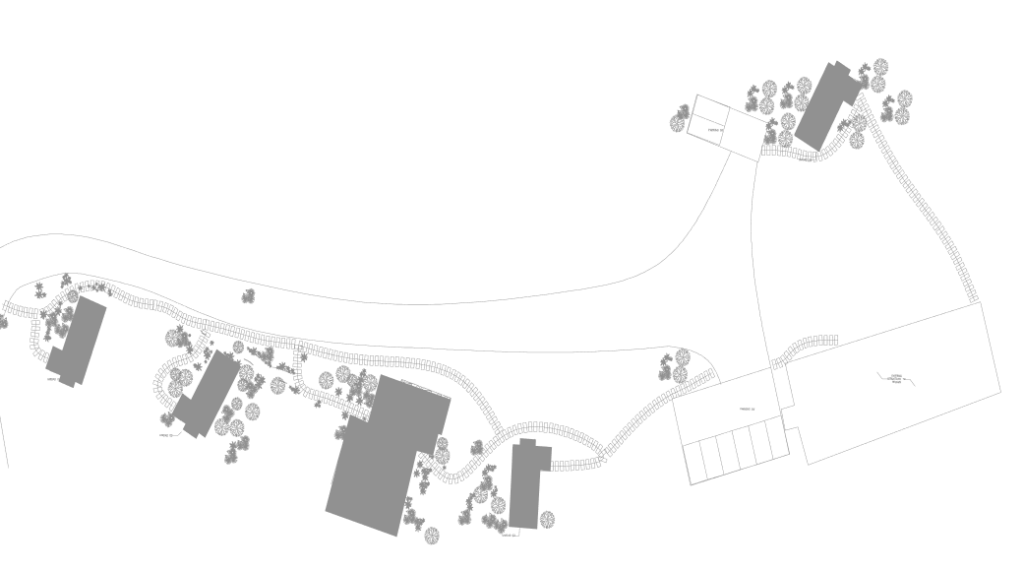
KEU Nirvana is set on a remote hillside in Cayey, Puerto Rico, where no roads or infrastructure previously existed. The project begins with a large-scale civil intervention: opening access routes, leveling the land, and adapting basic networks to enable access and habitability. It is composed of two independent habitable modules, designed to operate autonomously while remaining visually connected to the landscape. The architectural strategy is based on an elevated modular structure that rests on the terrain without altering its natural profile, respecting the slope and existing vegetation. Each volume is oriented toward the most expansive views, creating a continuous experience of contemplation from within.

IMPLEMENTATION ON THE GROUND

04 UNITS KEU FAMILY

The selected materials reinforce the intention of invisibility and belonging: black steel, continuous glass, native vegetation, and mineral finishes that dialogue with the mountainous surroundings. The thermal envelope is resolved with exterior insulation and high-reflectance finishes, optimizing comfort without relying on invasive systems. The layout responds to the humid climate and solar exposure, creating deep shadows and cross-ventilation in every space. The project incorporates rainwater harvesting, solar energy, and autonomous management systems, becoming a model of sustainable living in hard-to-reach locations.

KEU Nirvana not only challenges the technical limits of modular construction, but transforms the relationship between architecture and territory, proposing a way of living where there was once only vegetation and silence.

CONTACT US